By Yulia Brockdorf
On Ukraine’s front line, an old bargain between democracies is being tested again. Its terms are written in the hands of the people who fight.
Nearly two centuries ago, Alexis de Tocqueville questioned whether democracies could sustain a long commitment abroad. Their citizens, he wrote, lose patience, and their governments change course with each election. The war in Ukraine has put that question to the United States and its allies more sharply than any conflict in a generation.
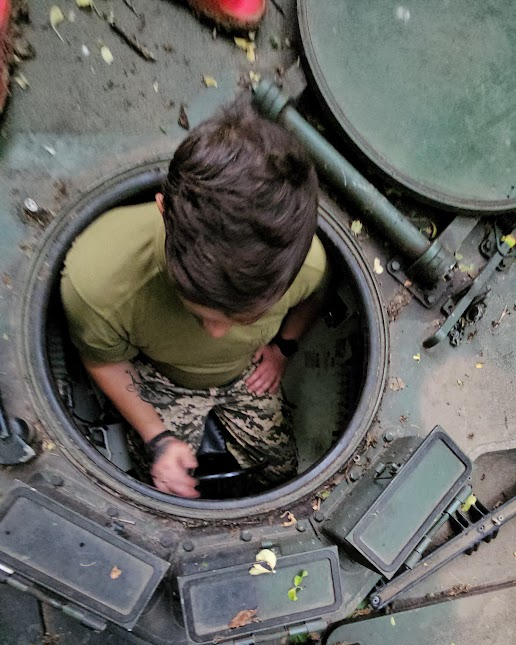
The gunner I met near the front line operates a self-propelled howitzer supplied by the United States. Ukrainian soldiers call these weapons saushky, and he spoke of his with evident respect: nimble, effective, able to reach targets about 40 kilometers away. He also spoke, at length and unprompted, of his gratitude to Americans for sending it.
American weapons have crossed this ground before. In December 1940, Franklin Roosevelt told Americans that their country must become “the great arsenal of democracy.” Weeks later, Winston Churchill answered in a broadcast from London: “Give us the tools, and we will finish the job.” Congress passed the Lend-Lease Act in March 1941, and American equipment went on to reach nearly every Allied front. The Studebaker trucks were among those that carried the Red Army west across Ukraine in 1943 and 1944 were built in Indiana.
In May 2022, Congress revived the name, passing the Ukraine Democracy Defense Lend-Lease Act. It expired in September 2023, never being invoked. Aid reached Ukraine through presidential drawdowns and congressional appropriations.
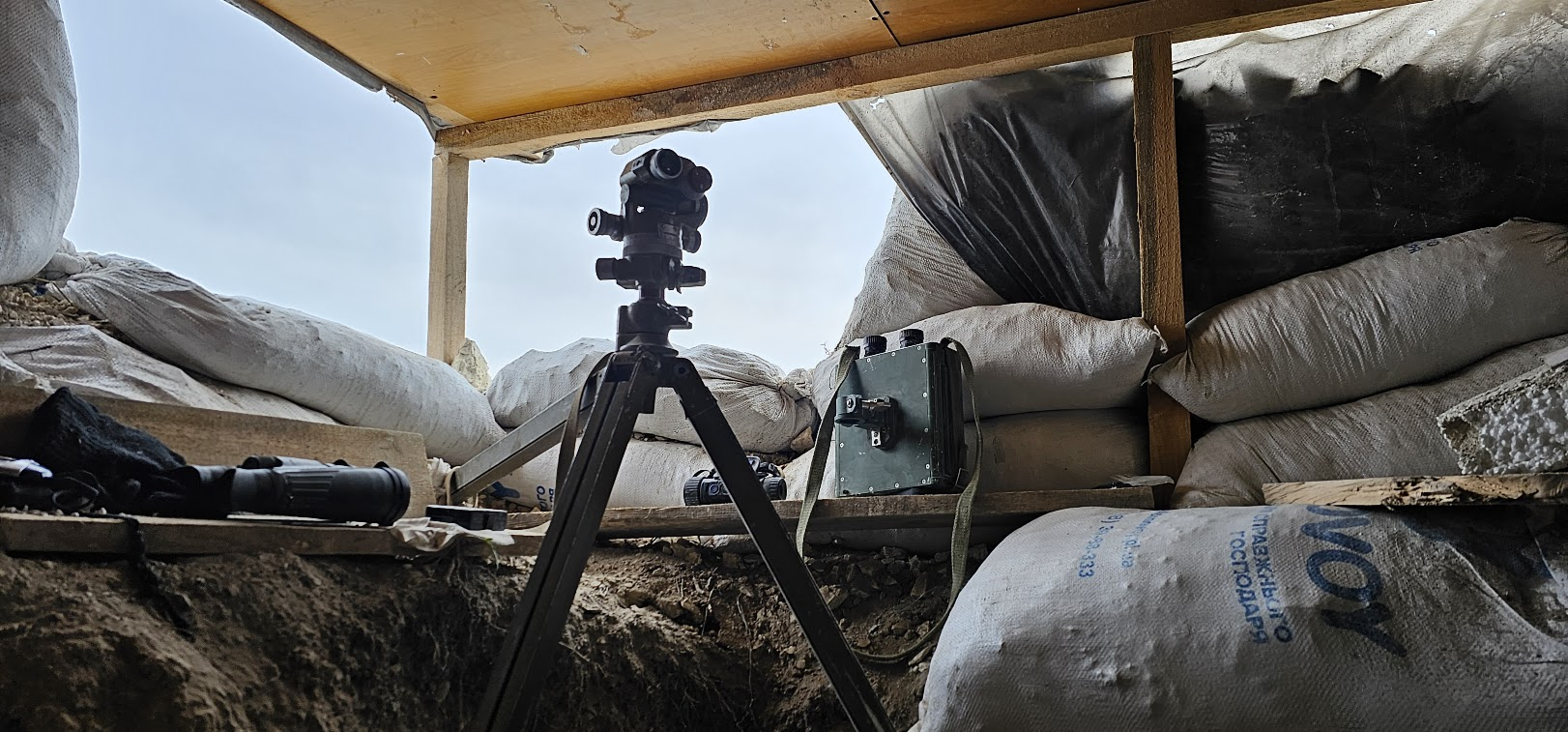
A howitzer’s range matters only if someone can see what lies within it. Ahead of the guns, observers watch the approaches from positions that must be manned around the clock. The soldiers stationed there spend hours in isolation, through summer heat and winter cold as bitter as the day I visited, knowing that the units behind the line depend on his attention and that a lapse of a few minutes could cost lives.
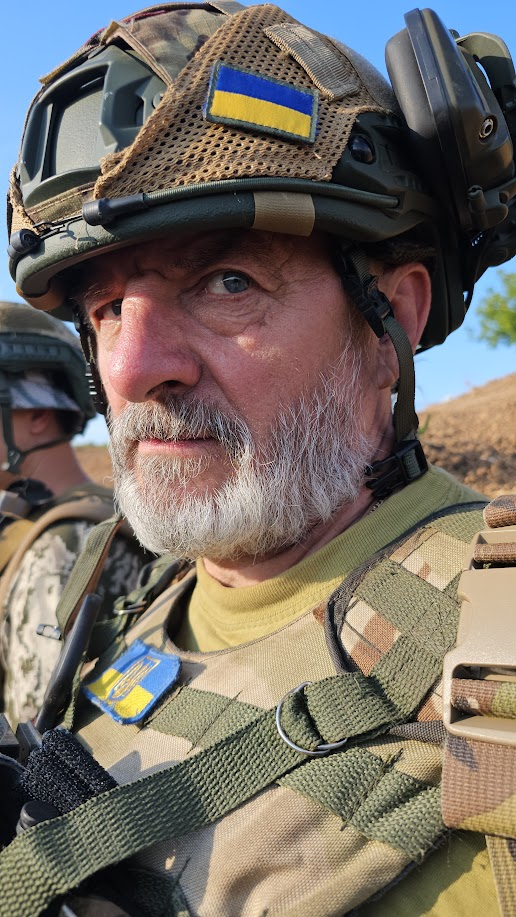
The medic I photographed joined the army as a volunteer when most men are planning their retirement.. Front-line medics stabilize the wounded where they are hit and keep them alive until they can be evacuated. Because drones have made evacuation slower and more dangerous, medics now often provide care for hours, sometimes days, before a patient reaches a hospital.
Video: Yulia Brockdorf
Between rotations, troops rehearse the maneuvers their next deployment will demand until they become automatic. Armies have long understood that endurance at the front depends on time away from it. During the First World War, the British Army cycled battalions through front-line, support and reserve trenches, and Lord Moran, a medical officer on the Western Front who later became Churchill’s physician, argued in The Anatomy of Courage that courage is a finite resource that prolonged combat exhausts. Ukraine’s manpower shortages have made that cycle difficult to sustain. Many units serve long stretches at the front with irregular relief, and the time between deployments must accommodate rest, medical care, equipment repair, and training together.
Survival depends on the trucks and the roads. Drones watch them constantly, and any vehicle moving toward or away from the position is a potential target. Evacuation crews drive those roads to bring out the wounded, often at night, over asphalt broken by shelling. The netting
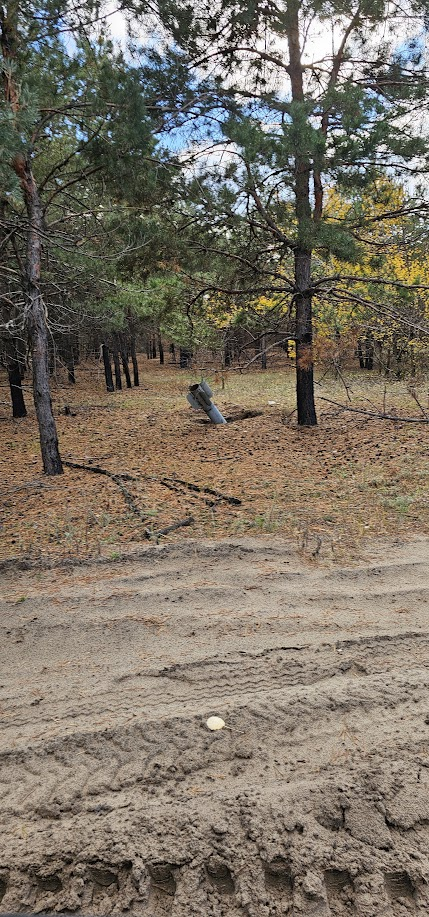
Retreating Russian forces burned forests and fields as they withdrew. Ukraine is one of the few countries to classify such destruction as a crime, under the ecocide provision of its criminal code, and documents the evidence of the burned forests and contaminated soil. Much of this land is also mined. Ukraine is now regarded as one of the most heavily mined countries in the world.
Video: Yulia Brockdorf
A Ukrainian soldier there recalled an encounter from the first day of the full-scale invasion, when an elderly woman in Henichesk offered an armed Russian soldier sunflower seeds and told him to keep them in his pocket, so that sunflowers would grow where he died. “He has some sunflower seeds,” the soldier said. “Maybe sunflowers will grow after you. Maybe they will.” The sunflower is Ukraine’s national flower and one of its most valuable crops, and the farmers who worked this land intend to plant it again once the mines are cleared.
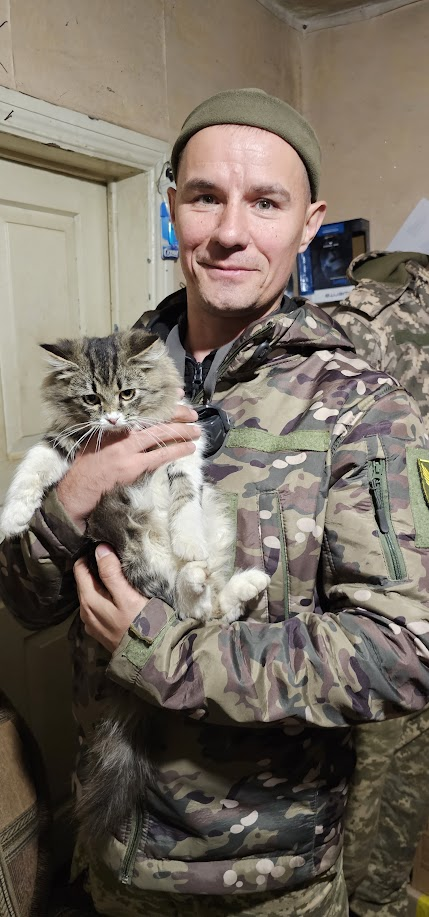
The soldiers’ care extends to animals. Ukrainian units routinely adopt them, and soldiers evacuate pets and livestock from shelled villages along with their owners. After years of war, that care is one measure of what they have preserved.
In the Book of Isaiah, a voice calls to a sentinel on the city wall: “Watchman, what of the night?” The watchman replies that morning is coming. The soldier I left at the observation post keeps that same watch on Europe’s eastern edge, for his country and for ours. When his morning comes depends in part on those of us who sleep safely behind him.