By Yulia Brockdorf
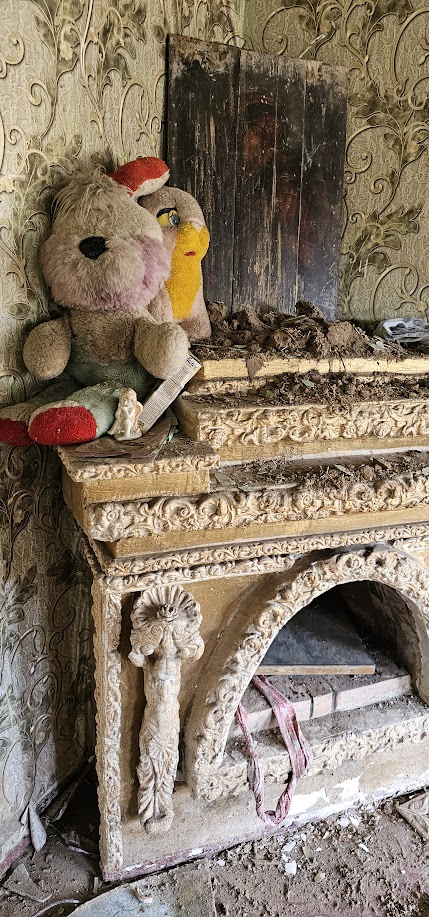
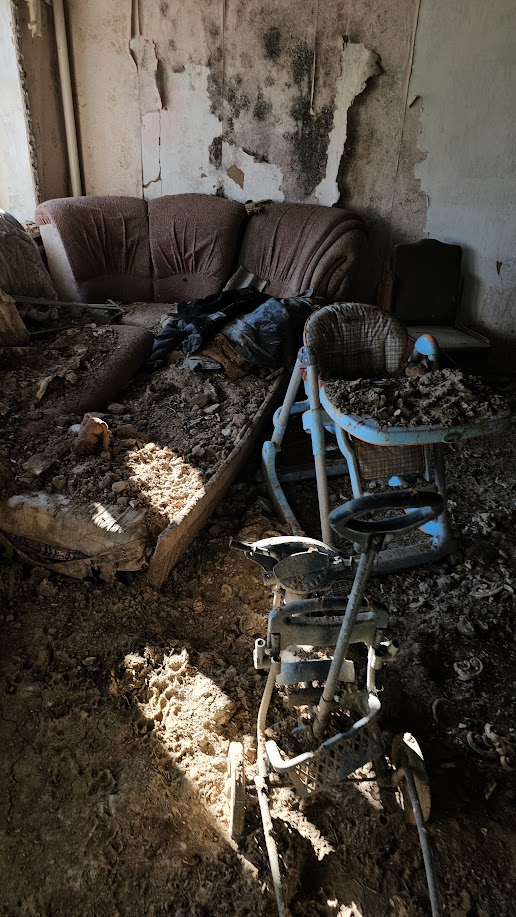
Gaston Bachelard’s The Poetics of Space, published in 1958, is a study of the house as the place where a person first learns what it means to be sheltered. A house, he argued, protects more than the body. It holds memory, and it gives a person the security to imagine a future. All over Ukraine, that shelter has been taken from millions.
Photos: Yulia Brockdorf
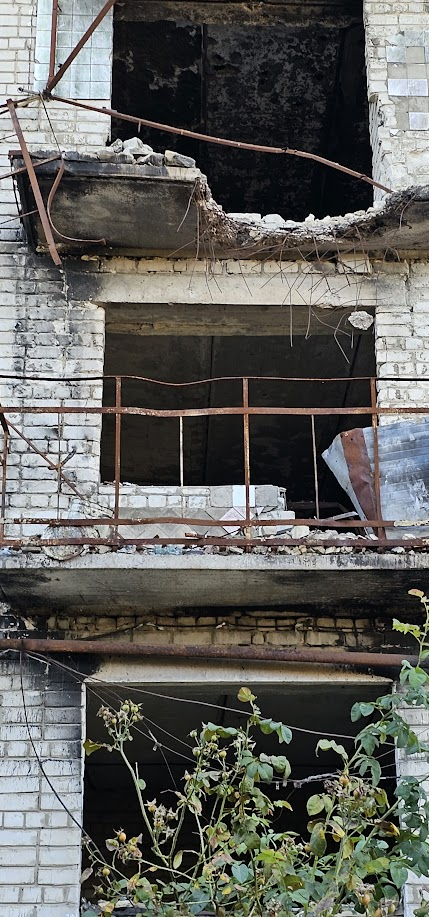
The destruction in cities such as Lyman and Izium is part of the largest wave of displacement Europe has seen since the Second World War. Its costs are usually expressed in square meters and reconstruction estimates. The greater loss is harder to measure: the daily life of a family, its meals, its lessons, its passage from one generation to the next, which a home holds together and the war breaks apart.
Serhiy Zhadan, the poet and novelist from eastern part of Ukraine who now serves in the army, anticipated this in The Orphanage, his novel of the war in the Donbas. Its protagonist, a language teacher, crosses a front to bring his nephew home from a boarding school. In Zhadan’s telling, the school is where the war first reaches children. In Kupiansk, as in thousands of communities across Ukraine, russian strikes have damaged or destroyed buildings whose purpose was education. Their destruction advances no military objective. It deprives a generation of the institutions through which a society renews itself.
Video: Yulia Brockdorf
Izium has borne this war with particular severity. After Ukrainian forces liberated the city in September 2022, investigators exhumed more than four hundred bodies from a burial site in the surrounding forest. Among them was Volodymyr Vakulenko, a children’s author abducted by Russian forces that March. Before he was taken, he buried his diary beneath a cherry tree in his garden. The novelist Victoria Amelina helped recover it that autumn; she was killed the following year by a Russian missile strike on a restaurant in Kramatorsk. Residents of Izium have since built their own memorials to neighbors killed in Russian strikes, among them children and entire families. Like the diary, these memorials preserve a record of the victims of this genocidal war.
Photos: Yulia Brockdorf
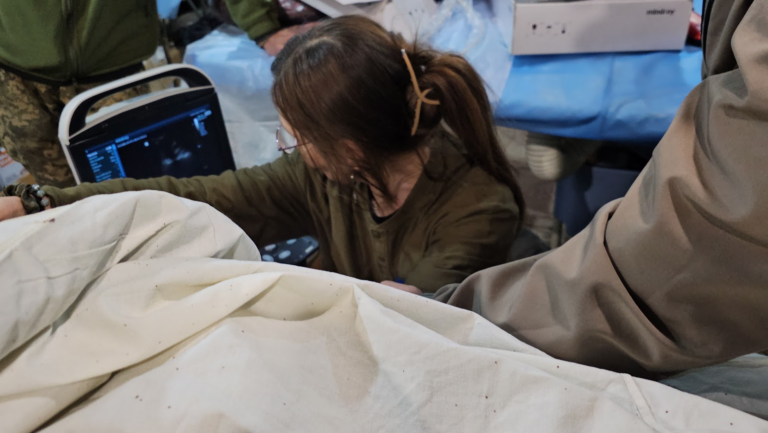
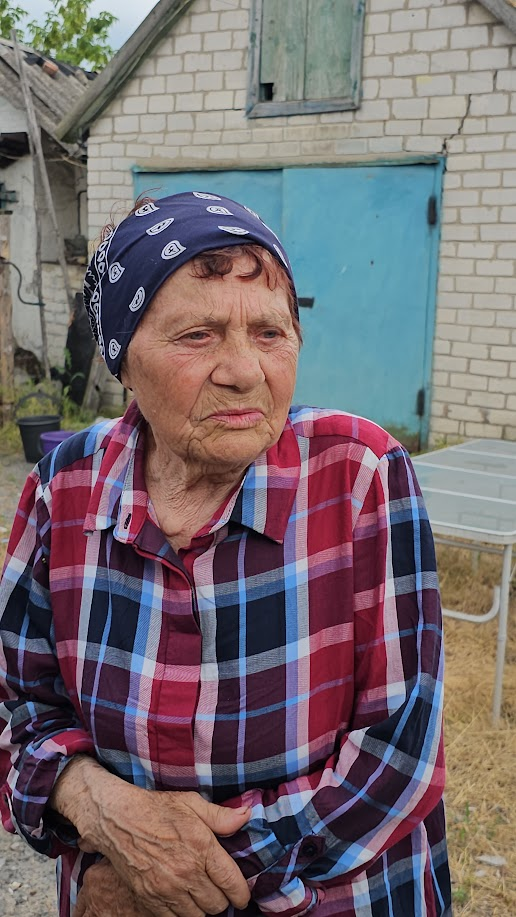
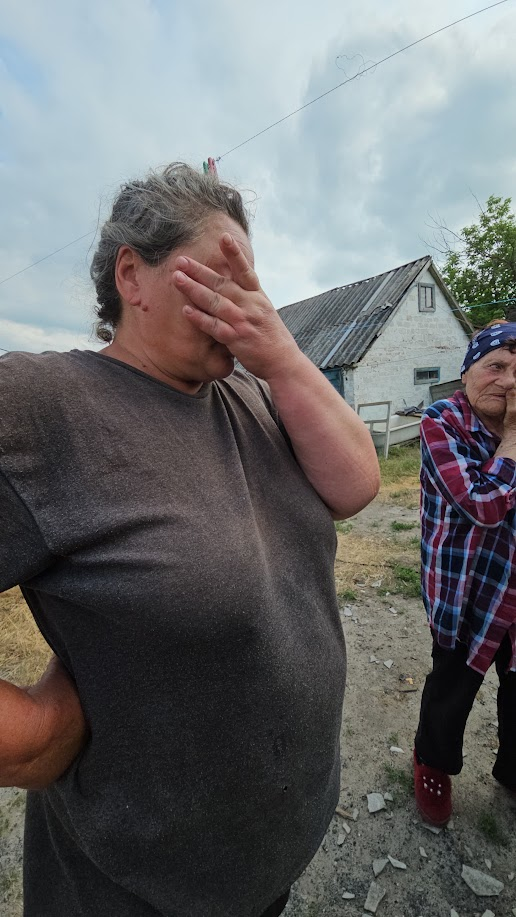
In the front-line areas, I interviewed an elderly woman, a civilian, who was wounded by a russian explosion when shrapnel struck her shoulder. Ukrainian soldiers arranged her medical care. During her recovery, she learned that her son had been killed in action. When she was well enough, she returned to her badly damaged house. Bachelard would have understood her decision. A house that has sheltered a family’s life keeps its meaning after its walls are broken, and for many Ukrainians, returning to a damaged home is an assertion that the life lived there will continue. Across the liberated territories, residents repair roofs, replace windows, and reopen classrooms, often within range of russian artillery.
Video, photo: Yulia Brockdorf
The World Bank now puts the cost of Ukraine’s reconstruction at more than half a trillion dollars. No estimate exists for what Ukrainians are rebuilding alongside the buildings: a country whose people will live, learn and remember on their own terms.